

Governance & Policies
Governing Body Policy
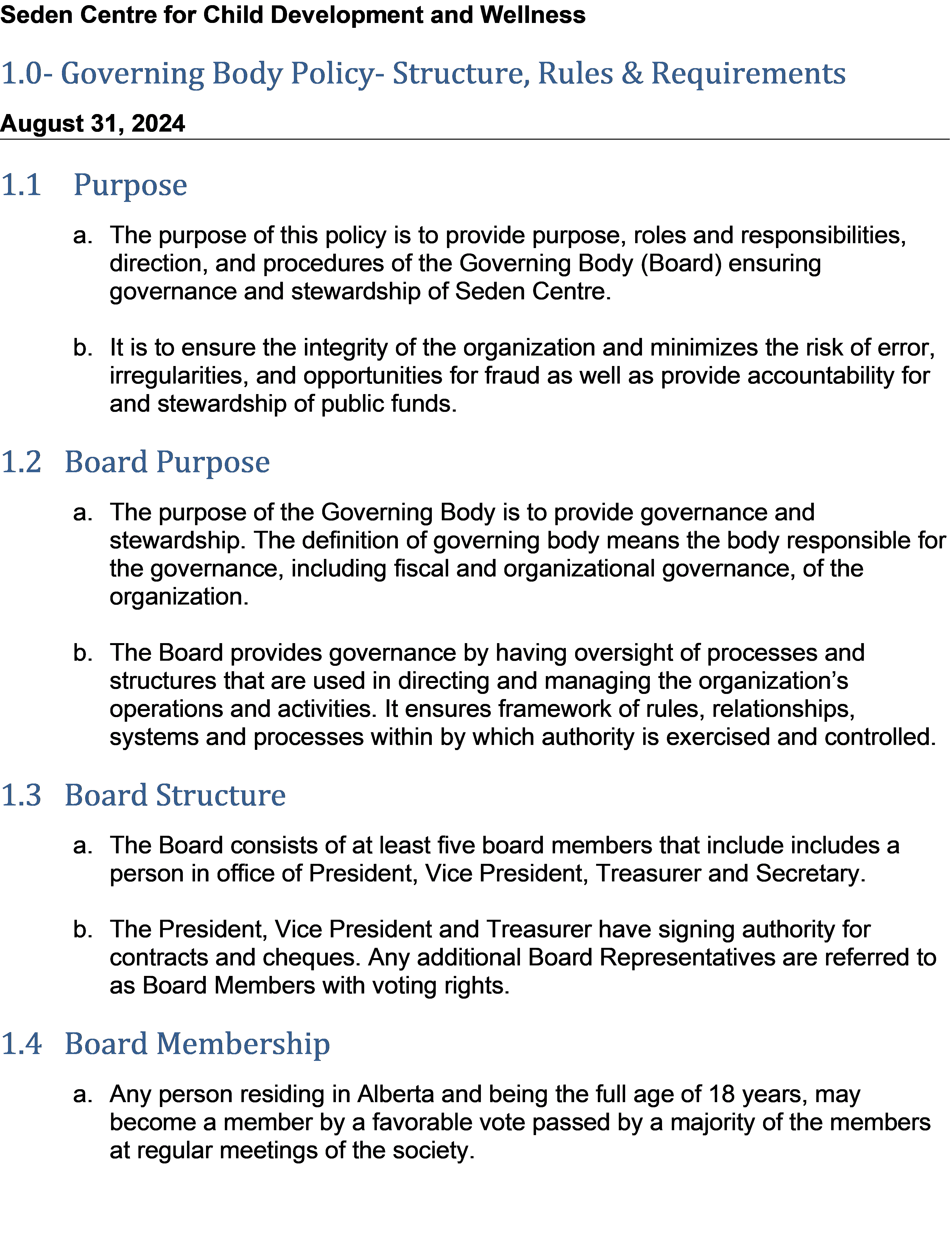
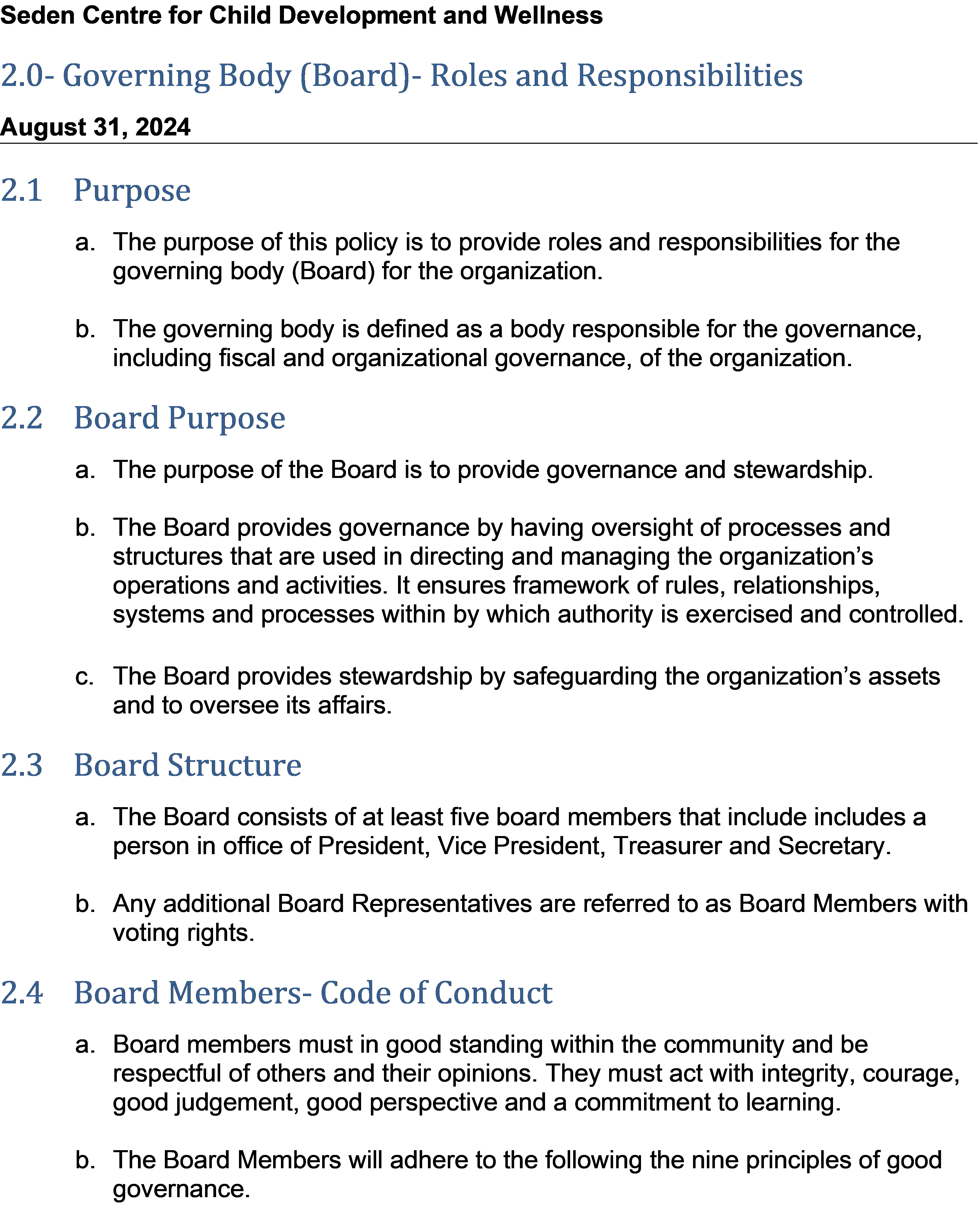
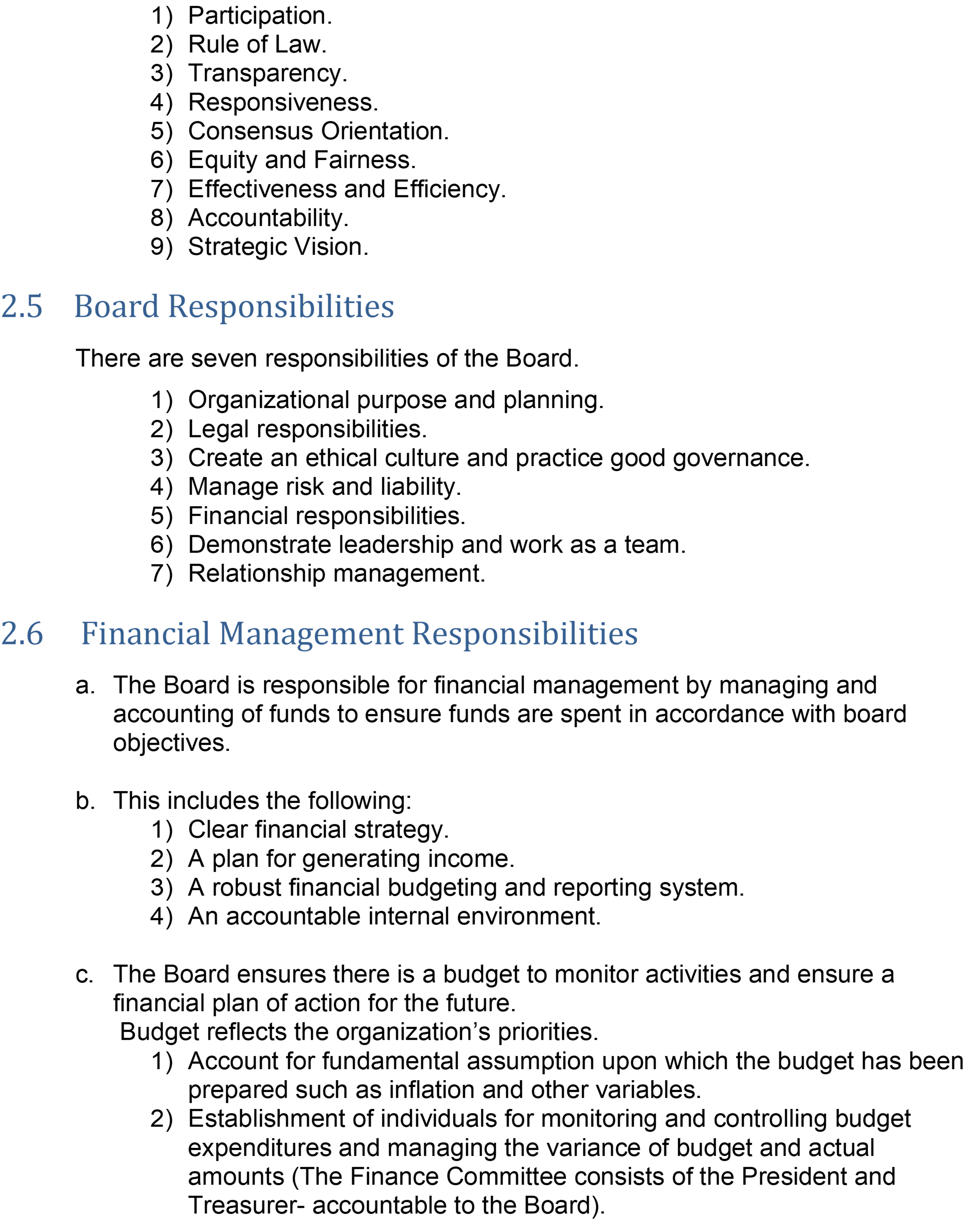
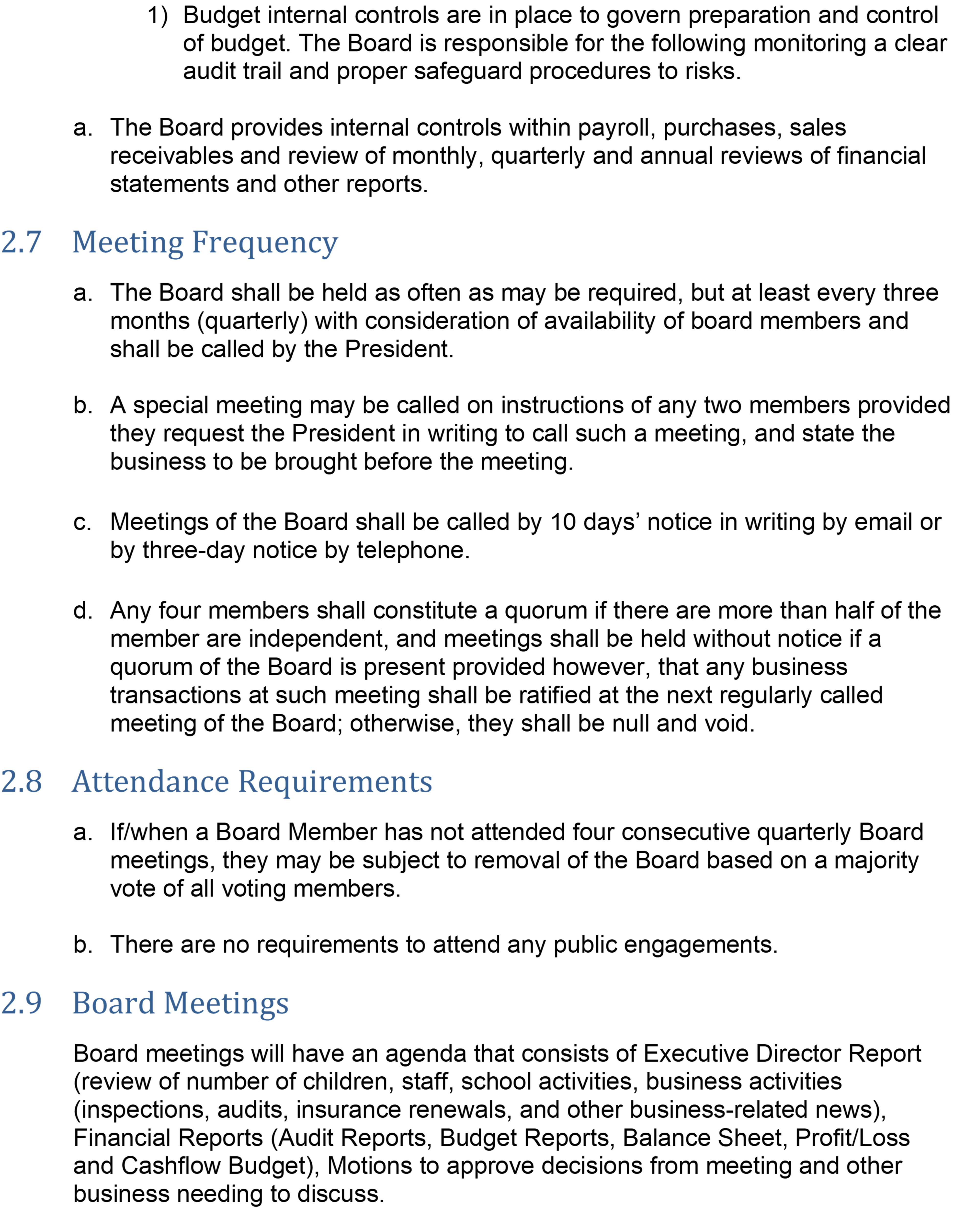
Governing Body (Board)- Roles and Responsibilities

Senior Management- Roles and Responsibilities
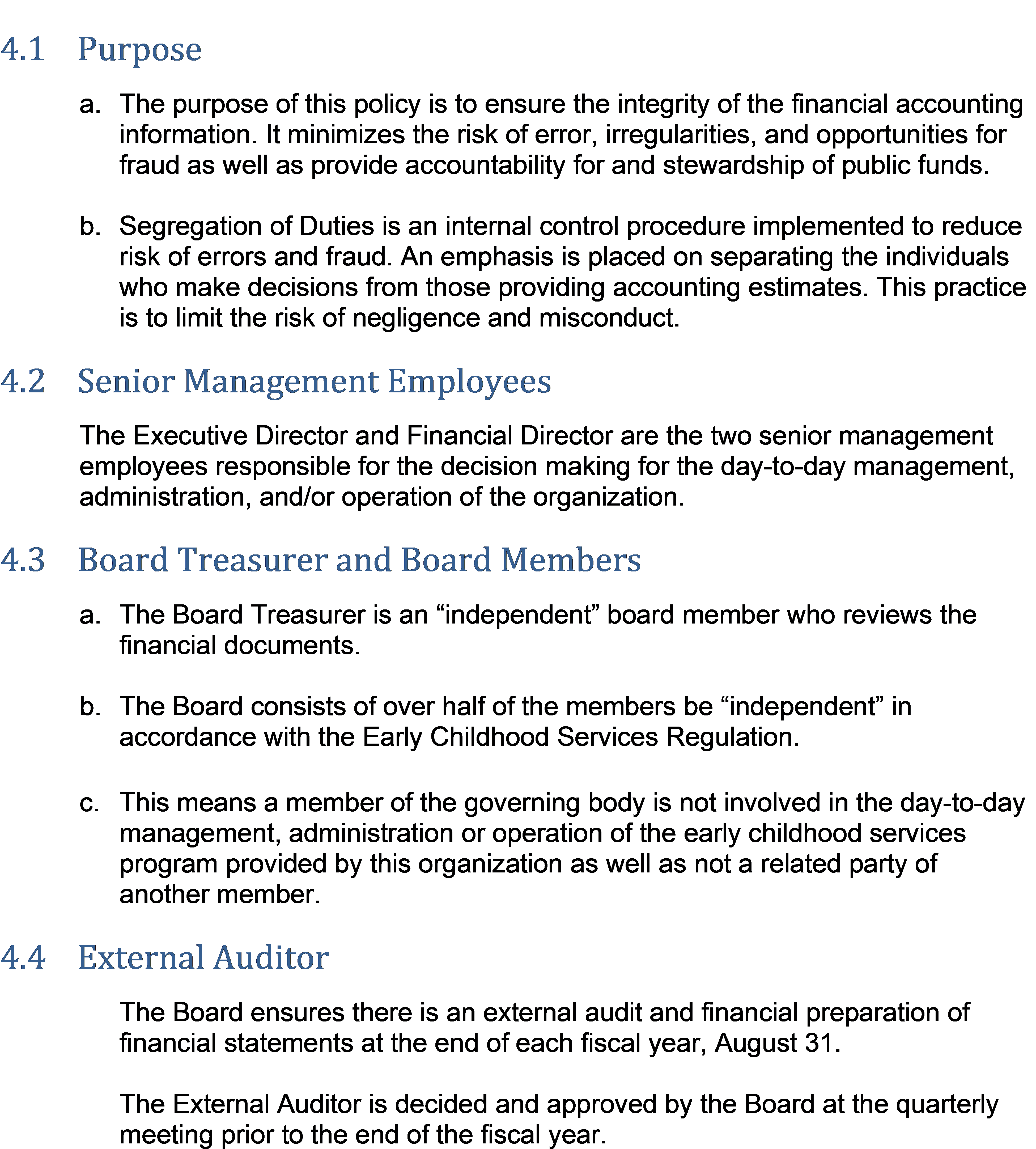
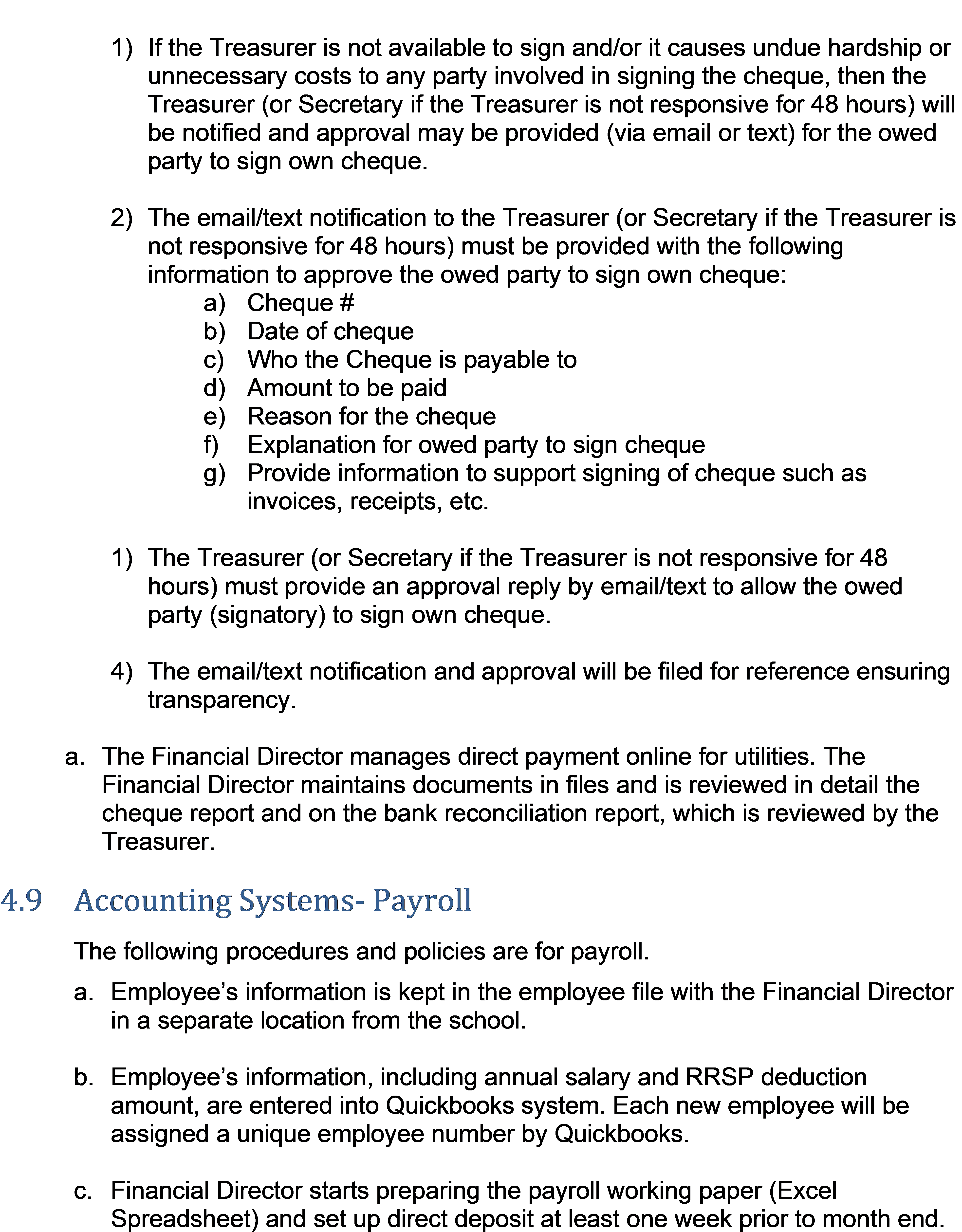
Internal Controls- Segregation of Duties





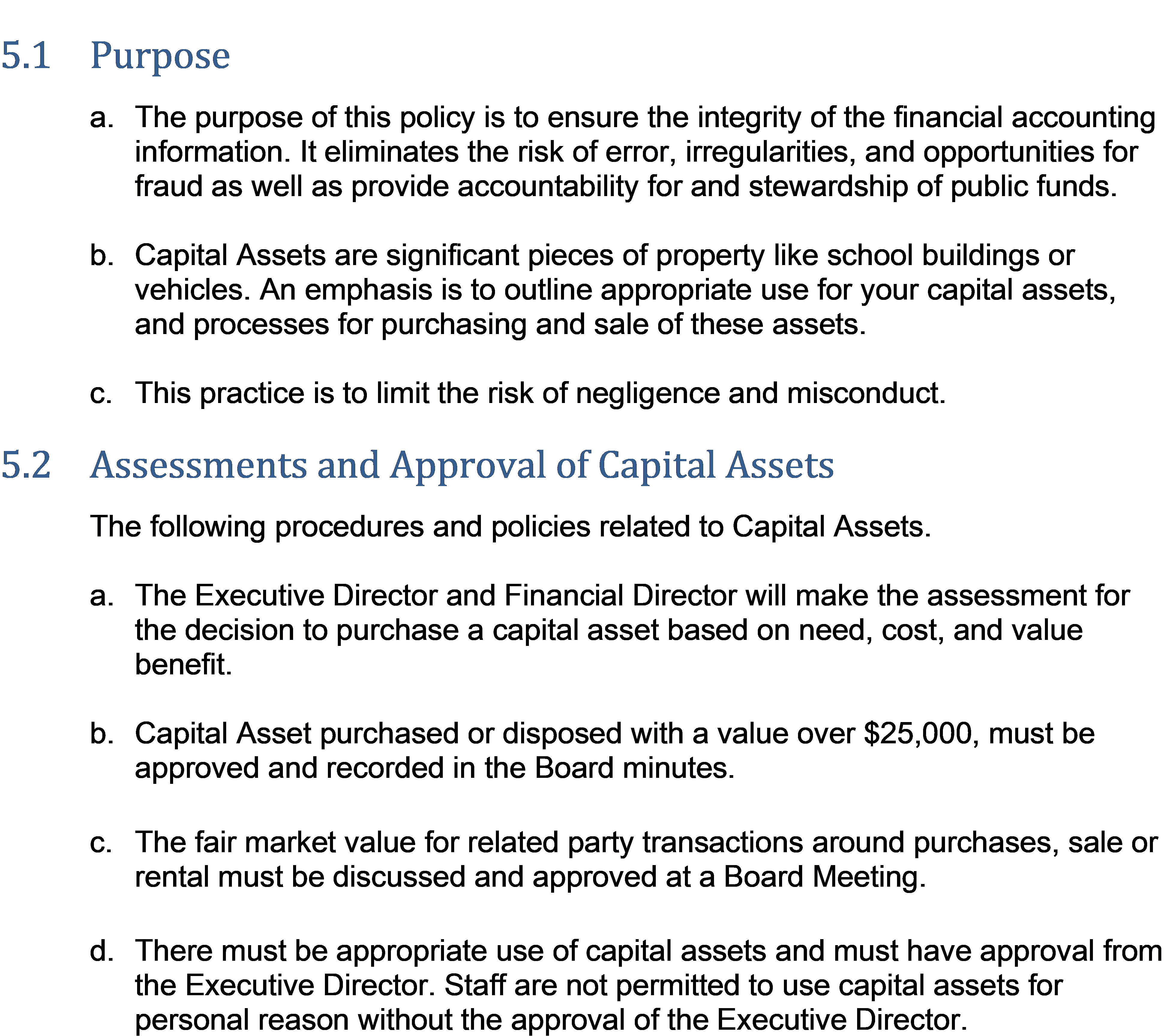
Internal Controls - Capital Assets
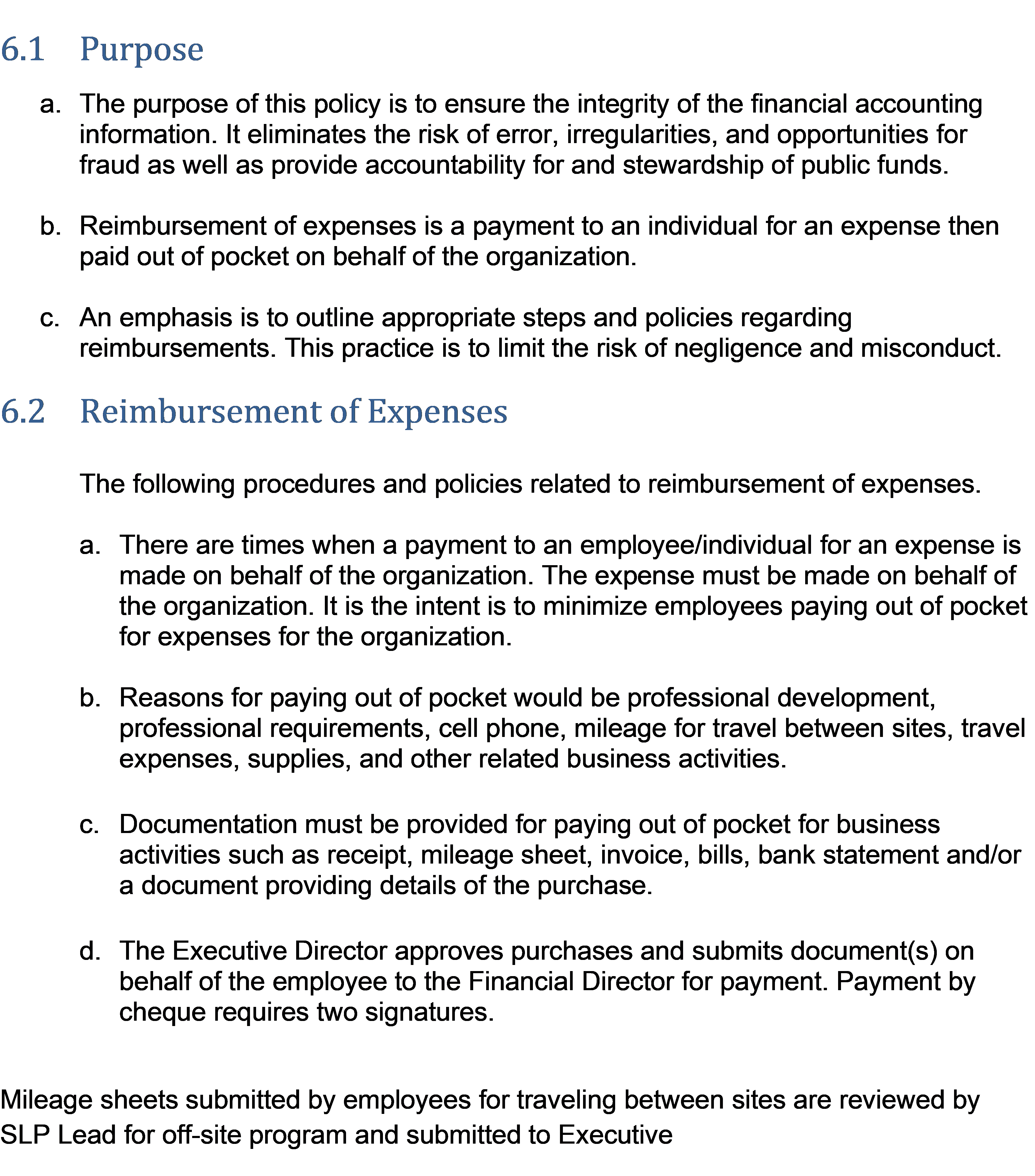
Internal Controls- Reimbursement of Expenses

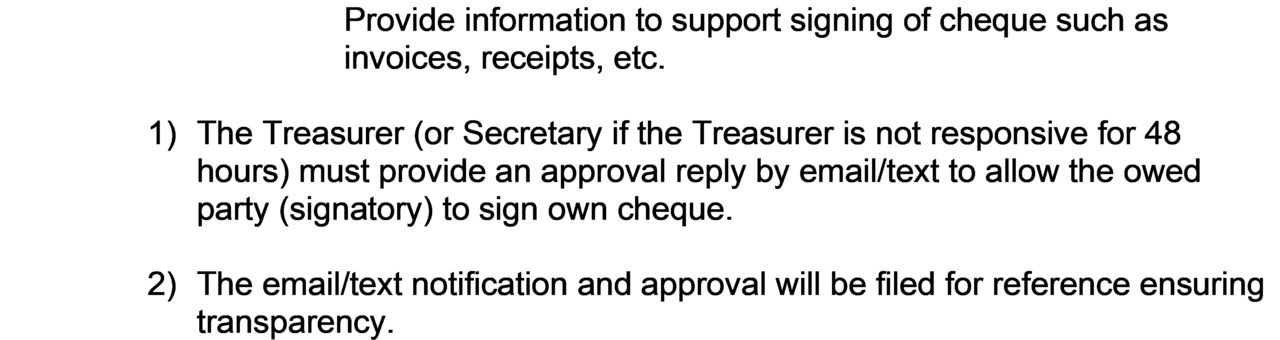
Internal Controls- Investments

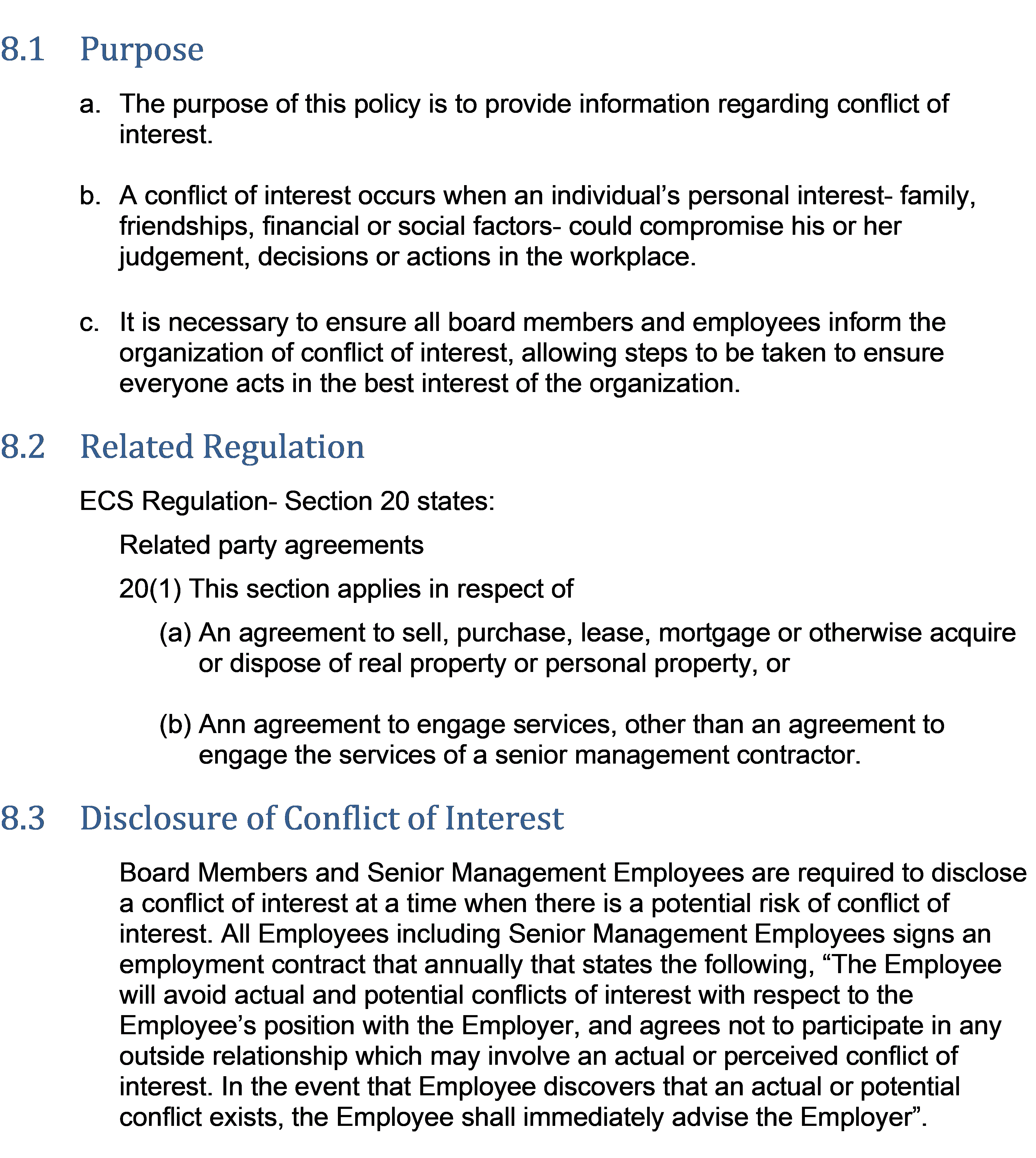
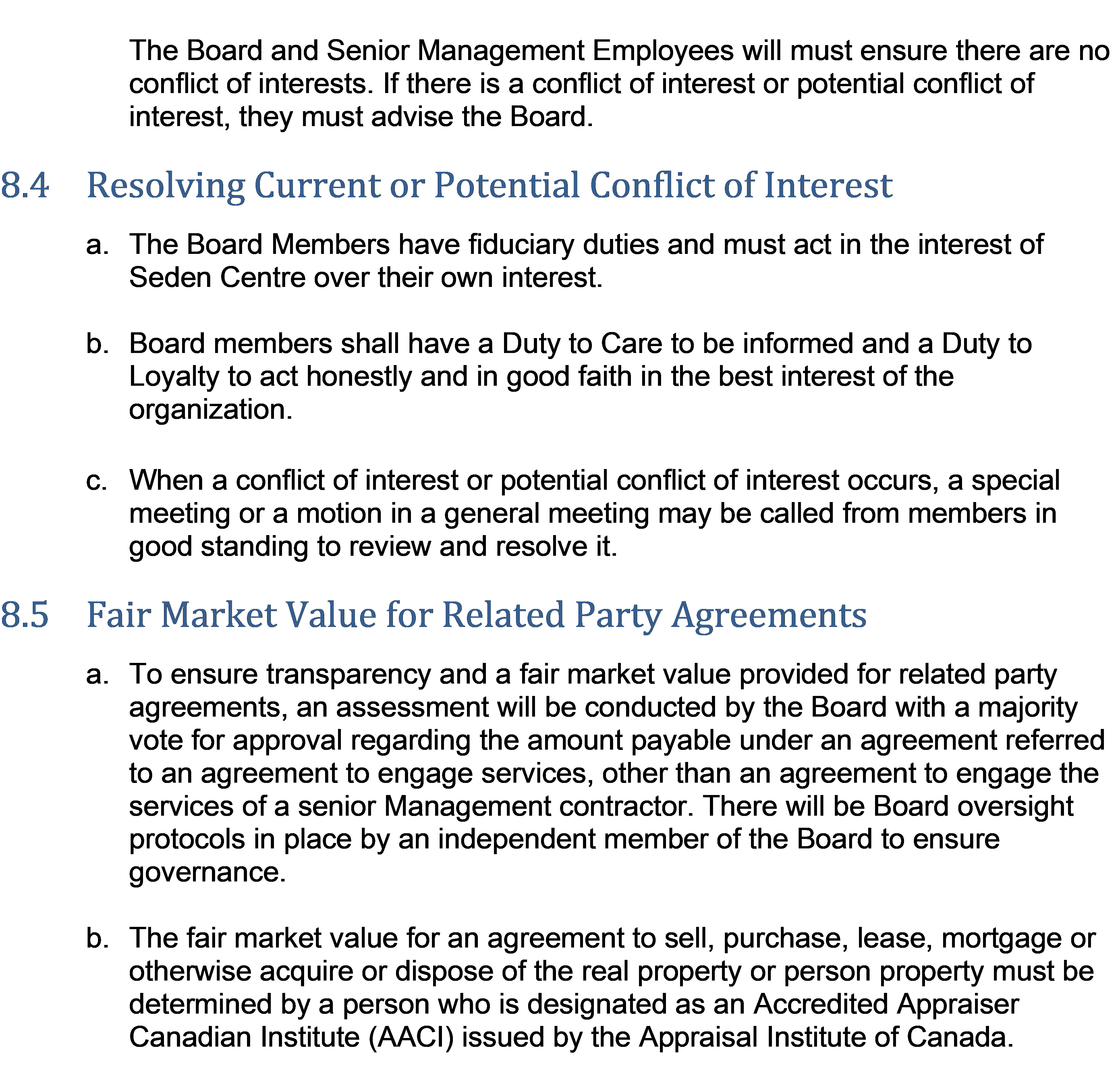
Conflict of Interest
Public Disclosure of Information Policy
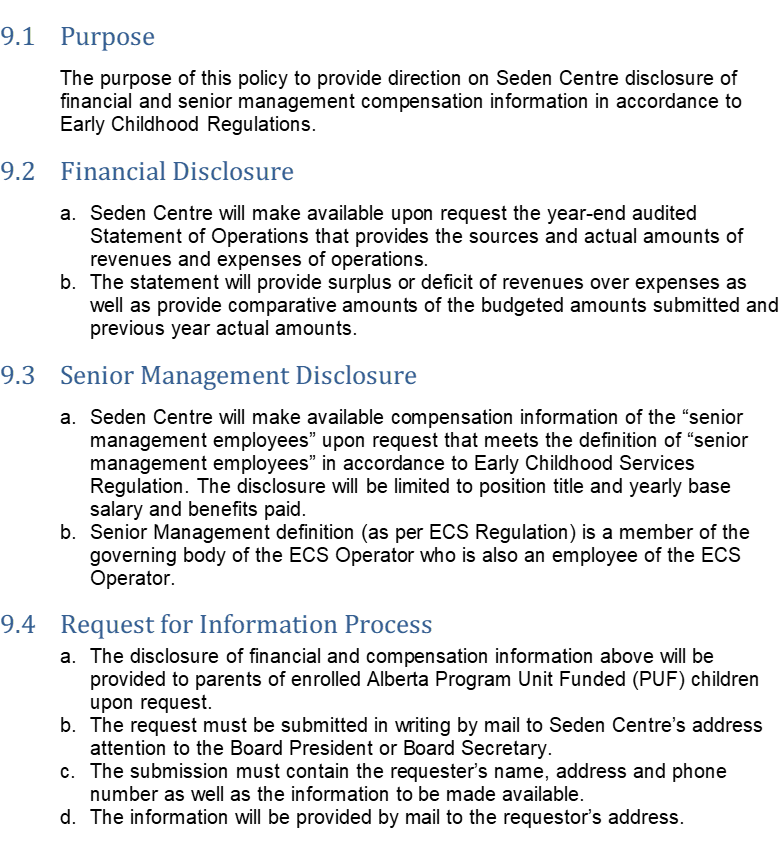
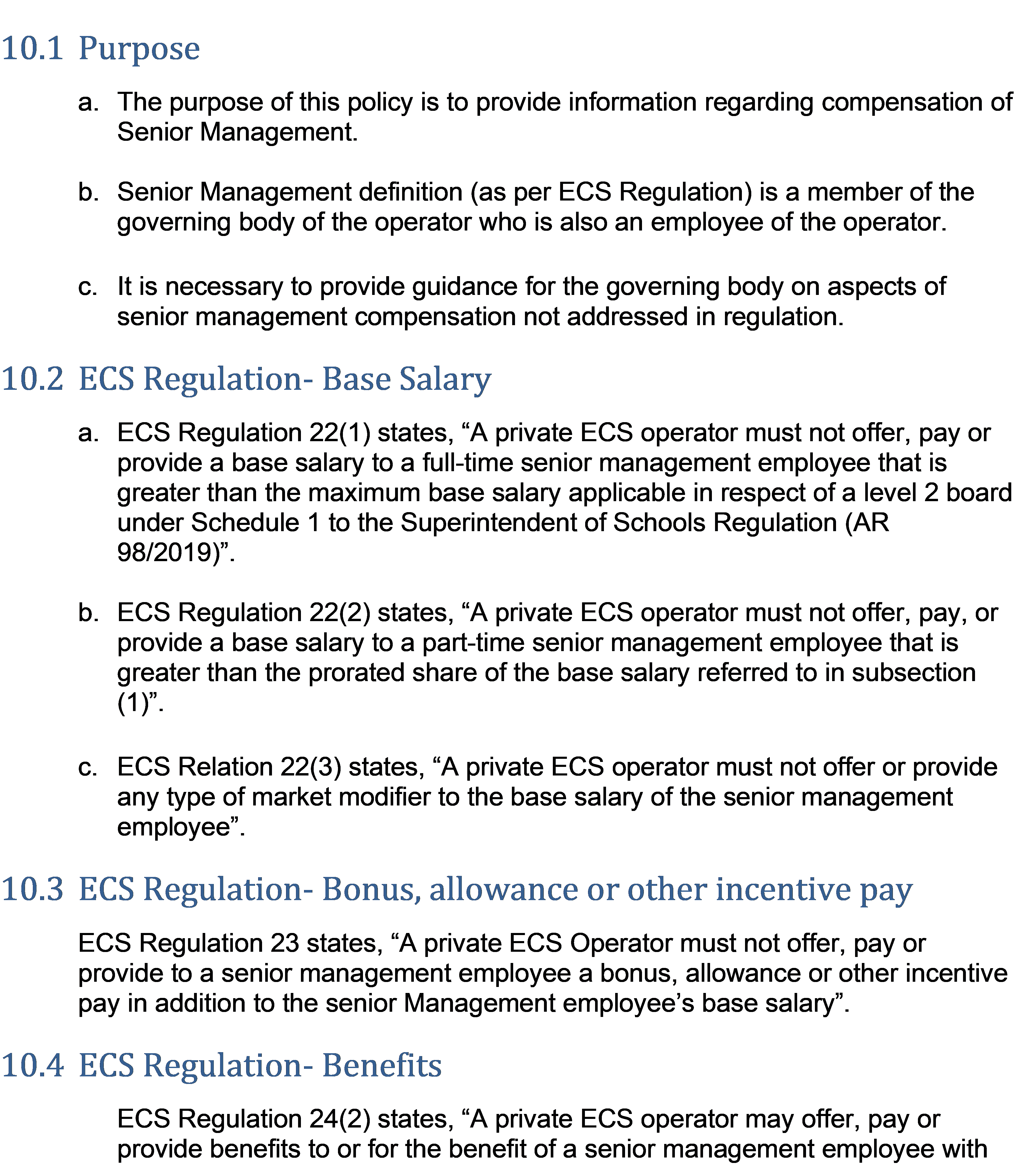
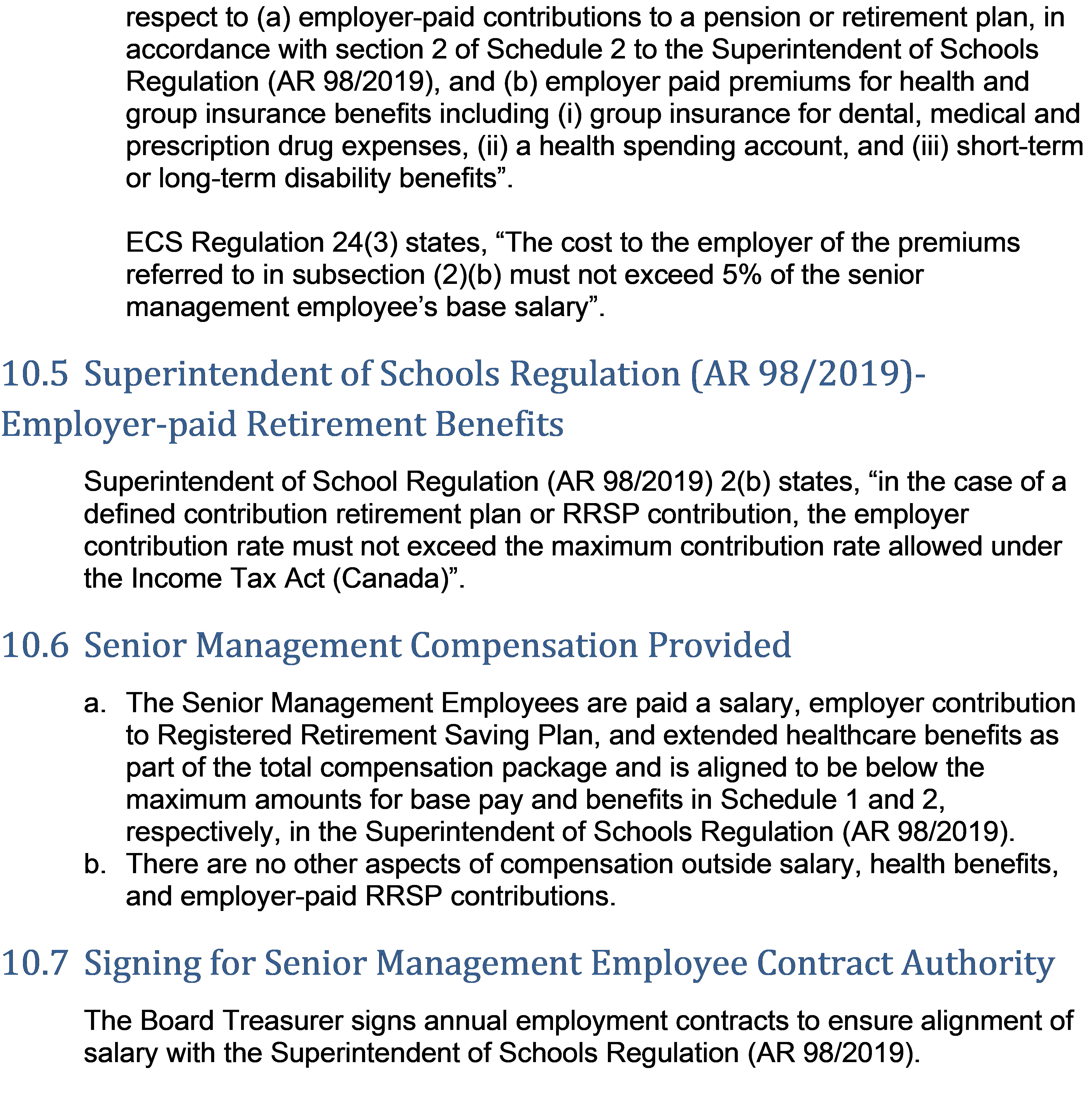
Senior Management Compensation
Seden Centre Book/Literary Policy and Procedures
Our Policy
Seden Centre recognizes the importance of language and literacy in preparing children to succeed in school. Early literacy plays a key role in enabling the kind of early learning experiences that research shows are linked with academic achievement, reduced grade retention, higher graduation rates and enhanced productivity in adult life. A growing body of evidence shows that early learning experiences are linked with later school achievement, emotional and social well-being, fewer grade retentions, and reduced incidences of juvenile delinquency and that these outcomes are all factors associated with later adult productivity. Seden endeavours to provide each child with an enriched literary curriculum and selection of books.
What we know:
- Literacy development starts early in life and is highly correlated with school achievement.
- All of the domains of a child’s development, physical, social-emotional, cognitive, language and literacy are interrelated and interdependent.
- The more limited a child’s experiences with language and literacy the more likely he or she will have difficulty learning to read.
- Key early literacy predictors of reading and school success include oral language, Alphabetic Code, and print knowledge.
- Well-conceived standards for child outcomes, curriculum content, and teacher preparation help establish clarity of purpose and a shared vision for early literacy education.
- Increased demands for program accountability are often heavily focused on assessments of children’s early literacy development.
- Highly capable teachers are required to implement today’s more challenging early literacy curriculum.
- Teacher knowledge, respect and support for the diversity of children’s families, cultures, and linguistic backgrounds are important in early literacy development.
Purpose of the Policy: Explain the role of the book collection and literacy in supporting education for children attending Seden Centre.
Responsibility for Selection: Teachers and Therapists are responsible for book selection/organization and will be in compliance with Alberta Education key components:
- Age and developmental appropriateness: Selection must be based on what is suitable for a child's age and developmental stage.
- Provincial content restrictions:
- Explicit sexual content: All books with explicit visual depictions of a sexual act must be removed and are not to be selected.
- Non-explicit sexual content: Preschoolers (K-9) cannot access any materials with explicit or non-explicit sexual content, including unclear or indirect depictions.
- Allowed content: Books about puberty, menstruation, and romantic relationships (like hand-holding or kissing) are permissible for older grades, but the new standards primarily focus on K-9 students for preschool selection.
- Educational and cultural value: Books should be selected based on their educational value, faith alignment (if applicable), and cultural relevance.
Selection Criteria
Our preschool book selection policy outlines the principles and criteria used to choose age-appropriate, engaging, and diverse books for young children. Key elements include the quality of illustrations and text, relevance to the children's experiences, and the promotion of positive social messages.
- Age Appropriateness: Materials must be suitable for the emotional and intellectual development of preschoolers (typically ages 2.8-5).
- Educational Value: Books should support early learning goals, such as language development, counting, and letter recognition.
- Diversity and Representation: The collection should feature books that represent various cultures, families, and abilities in a modern and non-stereotypical way.
- Intellectual Freedom: The policy should align with principles that ensuring a wide range of materials is available without political or doctrinal restriction, while giving parents final say over what their own child reads.
- Community Relevance: The collection should reflect the needs and interests of the specific community Seden Centre serves.
When selecting a specific book, the following factors are often considered:
- Illustrations: Large, colorful, and engaging illustrations are crucial as they help tell the story and capture a child's attention.
- Text and Language:
- Simple, repetitive text and rhymes are easy for young children to remember and participate in.
- Books should use rich vocabulary but avoid being overly difficult for the intended audience.
- The language should be free of bias and stereotypes.
- Storyline and Themes:
- Stories should have a clear, simple plot that can be read in one sitting.
- Themes should be relevant to a preschooler's life (e.g., making friends, going to school, bedtime routines).
- Books should promote positive values and creative problem-solving.
- Physical Quality:
- Books should be durable, with thick pages or a board book format, to withstand frequent use.
- Pop-up or lift-the-flap elements can encourage interactive engagement.
- Author/Publisher Reputation: The reputation and skill of the author and illustrator are important considerations.
- Reviews: Professional reviews from authoritative sources such as Booklist or The Horn Book may be consulted.
Donations: Gifts will be evaluated using the same criteria as purchased materials.
Maintenance: Teachers and Therapists will maintain an ongoing list of all books and regularly remove outdated or worn items from the collection. The book list will be available to the public on our website as with this policy.
Reconsideration of Materials: This policy includes a procedure for handling complaints or challenges to materials in the collection.
This typically involves:
1. Allowing a parent or guardian to formally request reconsideration of an item, in written form that includes the full title of the book and author. The parent must also include the reason for reconsideration of the material.
2. Reviewing the challenged material based on the established selection criteria for books in our library and will be reviewed by the Executive Director/Teacher and Therapist.
3. Ensuring the material is not removed solely because of a personal opinion or viewpoint expressed within it.
Parental rights: While the policy itself restricts access for young children, it must also respect the rights and obligations of parents to guide their own children's values.
Staff supervision: Staff will supervise child access to library resources.
Final decision-making authority: School administrators have the final say on approving or removing titles.
Literacy Program
- All children will have access to our early literacy program with strong literacy components that include clear adaptations for children with special needs.
- Early literacy curricula and teaching practices are to be evidence-based, integrated with all domains of learning, and understandable to staff members.
- Early literacy assessment is conducted 2 times per year; use multiple methods and use the information to improve both teaching and the total preschool program.
- Our standards for early childhood professionals require staff to meet early literacy instructional standards.
- We involve and encourage parent participation and have a strong early literacy component that guides parents and caregivers in providing early literacy experiences at home.
Our literacy program includes many key predictive skills and abilities:
- Oral language
listening comprehension, oral language vocabulary - Oral language provides children with a sense of words and sentences and builds sensitivity to the sound system so that children can acquire phonological awareness and phonics. Through their own speech children demonstrate their understanding of the meanings of words and written materials. Children who acquire strong vocabularies increase their ability to make sense of what a word might be while using what they know about phonics.
- Alphabetic Code
alphabet knowledge, phonological/ phonemic awareness (the ability to discriminate sounds in words), invented spelling - Print Knowledge/Concepts
environmental print, concepts about print
Curriculum
Seden Centre curriculum is enriched to encompass the above.
Key Components:
1. Oral Language Development, which includes vocabulary and listening
· This is evident in our project work and theme best lesson plans
· Center work: Content, Sound Play, and Language
2. Understanding of the Alphabetic Code, which includes phonological/phonemic awareness and knowledge of the alphabet
· This is evident in our meeting/circle time and throughout the school day in short play-based activities.
3. Knowledge and understanding about print and its use.
· This is evident in our exposure at story time/meeting/circle.
This curriculum increases a child’s ability to identify and make oral rhymes, identify and work with syllables in spoken words, and the ability to hear, identify, and manipulate the individual sounds, phonemes, in spoken words.
Home Reading Program
At Seden Centre we believe that shared book reading experiences have a special role in fostering early literacy development by building background knowledge about the world and concepts about books and print. Our children are encouraged to borrow from our library weekly. They are given a book bag to bring to and from school.
RECS Literacy Program
Children are exposed to literacy via one/one lessons with an Educational Assistant. They receive books to take home to encourage reading outside of their learning program.
Accountability and Assessment
All children are screened twice per year for literacy and numeracy. This information is to measure development and learning, to guide teacher and program planning and decision making, to identify children who might benefit from special services, and to report to and communicate with others.
Teacher Education and Professional Development
Teachers at Seden are trained to use Hanen and Learning Without Tears. They are expected to maintain Alberta Education Standards and keep our Library List up-to-date. In addition, teachers must be able to use a variety of instructional methods that are age and developmentally appropriate and have the ability to adjust those methods to the specific needs of individuals. They must be skilled in the ability to use multiple methods of monitoring children’s literacy development and interpreting assessments in order to make sound instructional decisions.
Summary
Literacy development starts early in life and is highly correlated with school achievement. All the domains of a child’s development, including literacy, are interrelated and interdependent. The more limited a child’s experiences with language and literacy, the more likely he or she will have difficulty learning to read. Well-conceived standards for child outcomes, curriculum content, and teacher preparation help establish clarity of purpose and a shared vision for early literacy education.